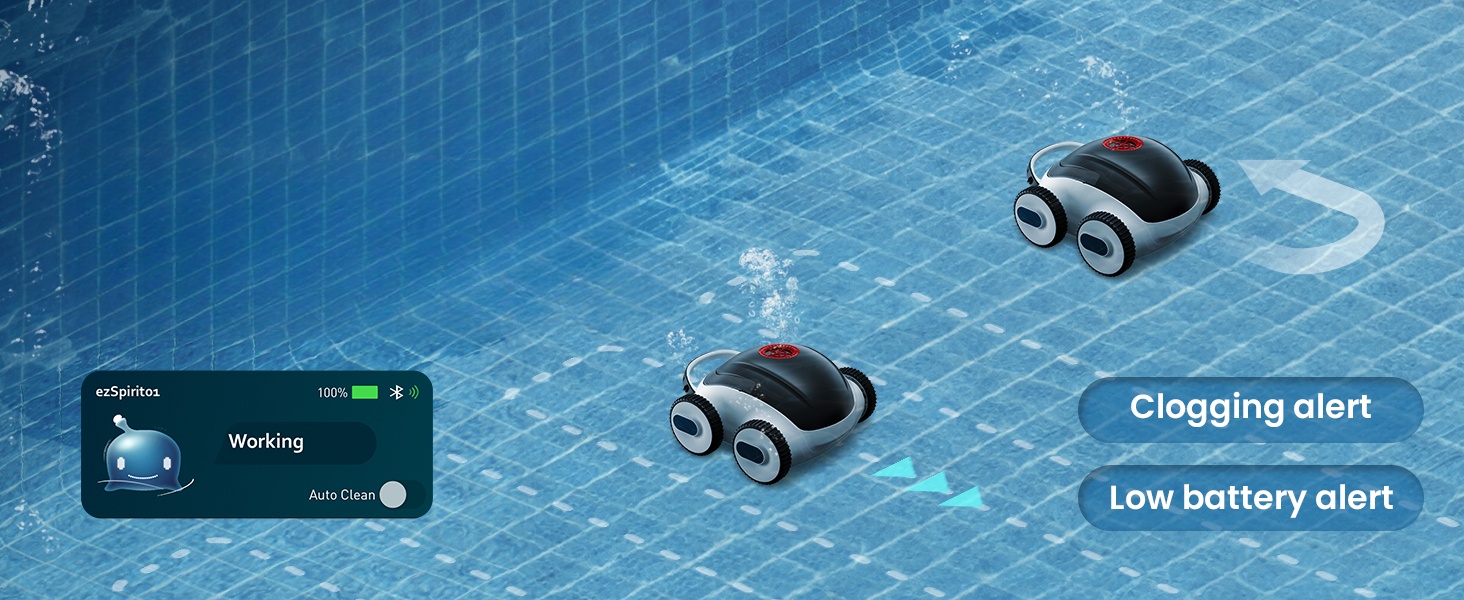
Choosing the right ODM partner for AI pool cleaning robots directly impacts cleaning precision, uptime, and total cost of ownership. This guide gives engineering, procurement, and operations leaders a rigorous framework to evaluate vendors and negotiate with confidence—grounded in real-world performance and compliance. Explore how advanced navigation (SLAM, dToF) and propulsion design translate into measurable outcomes, and review criteria to de-risk supplier selection. See our current portfolio of AI pool cleaning robots for reference.
We draw on Hysheen’s engineering milestones and ODM capabilities, including hybrid ultrasonic–gyroscope positioning that reduced cable entanglement from 37% to near zero, and the X1 model’s 98.6% cleaning precision with 72-hour battery life. Learn more about our mission, vision, and global manufacturing commitment on About Hysheen. This guide will answer critical questions like “Which compliance frameworks matter for pool robots?”, “How do SLAM and dToF impact real cleaning performance?”, and “How should I structure an ODM evaluation and contract?”
Procurement Objectives and Stakeholder Requirements
Define success criteria early across engineering, operations, and finance. For engineering, focus on navigation accuracy, propulsion efficiency, battery endurance, and reliability under variable pool geometries and surfaces. For operations, prioritize cleaning coverage, reduced manual intervention, and minimal entanglement or downtime. For finance, standardize TCO metrics—device cost, maintenance, spare parts, energy consumption, and lifespan—against ROI targets and deployment scale. Hysheen’s X1 establishes evidence-based baselines with 98.6% precision, 72-hour endurance, and hybrid ultrasonic–gyroscope navigation that reduced entanglement to near zero, enabling higher utilization and fewer manual resets. Align these outcomes with SLAs and acceptance testing, and embed performance thresholds into contracts to protect KPIs in production environments.
Technical Requirements and Compliance for AI Pool Cleaning Robots
Compliance and safety frameworks underpin procurement quality. For aquatic environments, reference the CDC’s Model Aquatic Health Code (MAHC) for operational safety standards and facility practices. Align cleaning hardware and operations with the Pool & Hot Tub Alliance’s industry standards for pools, and ensure ODM quality systems meet ISO 9001 to reduce defects and improve traceability. For electrical and sensor subsystems, evaluate conformity with relevant household and equipment safety standards (e.g., IEC 60335 family), and document EMC considerations in mixed environments. Hysheen’s engineering approach centers on safety, reliability, and sustainability—consistent with our mission to deliver high-efficiency, intelligent, and eco-conscious solutions worldwide. Bake these frameworks into your technical specification and factory audit checklist.
AI Navigation: SLAM, dToF, and Hybrid Ultrasonic–Gyroscope Systems
Navigation fidelity drives real cleaning performance. SLAM provides robust mapping and localization in feature-limited aquatic environments; see an overview of SLAM in robotics for context. dToF sensors deliver precise ranging to support obstacle detection and path optimization; reference time-of-flight sensors for design choices. Ultrasonic sensing helps with short-range detection and coverage consistency; review ultrasonic sensing fundamentals. Hysheen developed a hybrid ultrasonic–gyroscope positioning system that cut entanglement from 37% to near zero, and the X1 integrates high-precision navigation to achieve 98.6% cleaning accuracy. This reduces intervention, optimizes coverage, and maximizes effective runtime—key procurement outcomes tied directly to SLA compliance.
Evaluating ODM Partners: Engineering Quality, Capacity, and Custom AI
Assess ODMs on design-to-manufacture maturity and the ability to customize AI features to your pools and workflows. Evaluate propulsion choices such as bionic turbine modules (Hysheen’s approach adds > 40% efficiency) and power architectures that support long endurance cycles. Confirm the ODM’s capacity and scalability; Hysheen’s annual manufacturing capacity exceeds 2 million units, supporting global rollouts. Vet firmware pipelines, over-the-air update strategies, and field telemetry for continuous improvement. Require evidence of reliability testing, coverage metrics, and entanglement rates under varying conditions. Establish co-engineering cadence, IP arrangements, and data governance. Finally, inspect quality systems (aligned to ISO 9001) and supplier audit records to ensure repeatable delivery.
| ODM Capability Keyword | AI Navigation (SLAM/dToF) | Propulsion Module | Cleaning Precision | Battery Endurance | Entanglement Rate | Quality System |
|---|---|---|---|---|---|---|
| Hysheen X1 | Hybrid ultrasonic–gyro + SLAM/dToF | Bionic turbine propulsion (+ > 40% efficiency) | 98.6% | 72 hours | Near zero (from 37%) | Aligned to ISO 9001 |
| Typical ODM Baseline | Varies by design maturity | Conventional propeller | Varies (method-dependent) | Varies (pack & drivetrain) | Often non-trivial | Should meet ISO-aligned QMS |
Total Cost of Ownership (TCO) and ROI Modeling
Model TCO across hardware, maintenance, spares, energy, and expected lifespan. Tie ROI to reduced manual labor, fewer resets (via near-zero entanglement), improved coverage (e.g., 98.6% precision), and extended endurance (72 hours) that increases duty cycle. Build scenarios for single-site vs. multi-site deployment and amortize NRE for custom AI features over expected volumes. Require ODM telemetry to validate real-world performance and incorporate in quarterly ROI reviews. Hysheen’s propulsion and navigation design focus on measurable gains—translating technical advantages into operating cost reductions and SLA confidence. Package these numbers into your board-level business case alongside compliance attestations and factory capacity commitments.
| Evaluation Keyword | Acceptable Evidence | Weight | Status |
|---|---|---|---|
| Cleaning precision & coverage | Field data (e.g., 98.6% precision) | High | Required |
| Endurance & duty cycle | Battery runtime (e.g., 72 hours) | High | Required |
| Entanglement risk | Rate trend (e.g., 37% → near zero) | High | Required |
| Compliance alignment | MAHC, PHTA, ISO QMS | High | Required |
| ODM capacity & scale | Factory throughput (e.g., > 2 million units/year) | High | Required |
Implementation Timeline and Risk Management
Structure implementation from specification to pilot and scale. Begin with co-engineering workshops to finalize requirements and interfaces. Proceed to EVT/DVT with acceptance criteria for precision, endurance, and entanglement thresholds. Pilot in representative pools to validate coverage and operational workflows. Scale with phased deliveries backed by factory capacity (Hysheen > 2 million units/year) and service agreements. Track risks: compliance gaps, firmware regressions, and supply variability. Mitigate using ISO-aligned quality systems, OTA rollback plans, and dual-sourcing of critical components. Maintain quarterly reviews and telemetry dashboards to sustain performance over lifecycle.
Flowchart: The B2B ODM Procurement Process for AI Pool Cleaning Robots
[Define Objectives] → [Technical Spec & Compliance] → [Vendor Shortlist]
→ [EVT/DVT/Validation] → [Pilot Deployment] → [Scale & SLA Monitoring]
Frequently Asked Questions
How does Hysheen’s hybrid ultrasonic–gyroscope positioning reduce entanglement from 37% to near zero?
Hysheen engineered a hybrid ultrasonic–gyroscope system that optimizes pathing and cable handling, cutting the entanglement rate from 37% to near zero. This directly lowers manual intervention and boosts effective runtime and coverage.
What cleaning precision and battery life benchmarks does the Hysheen X1 achieve?
The X1 model delivers 98.6% cleaning precision and up to 72 hours battery endurance, supporting high-duty cycles and consistent coverage in real deployments.
What is Hysheen’s ODM capacity and global service scope for AI pool cleaning robots?
Hysheen provides global ODM services with annual manufacturing capacity exceeding 2 million units, supporting large-scale and multi-site rollouts.
What are Hysheen’s mission, vision, and core values for water-surface cleaning technology?
Mission: revolutionize water-surface cleaning with smart, efficient, eco-friendly solutions. Vision: lead the category and reach 50% global ODM market share. Core values: innovation, quality, sustainability, and customer-centricity.
Conclusion
Selecting an ODM partner for AI pool cleaning robots requires aligning measurable performance with compliance and scalable manufacturing. Hysheen’s X1 and core technologies demonstrate precision, endurance, and reliability that map cleanly to procurement objectives and ROI. Review our product lineup and visit Hysheen to discuss custom AI cleaning solutions and global ODM engagements.